Why Fire Suppression Systems Are Only Part of a Safer Kitchen
@firesuppressionsystemsworks
November 2, 2026 · 7 min read
If you have spent any time in a commercial kitchen, you know how quickly things can go sideways. One overlooked grease trap, one exhaust fan running below speed, one moment where the fryer oil climbs a few degrees too high, and the whole line is in danger. That is why every restaurant kitchen I have ever worked with invests heavily in fire suppression systems. But here is what often gets missed: those systems, good as they are, cannot do the job alone. They need the rest of the kitchen exhaust system to be clean, maintained, and compliant with standards like NFPA 96. Otherwise you are protecting a dirty chimney with a fancy cap.
The Limits of a Standalone Suppression System
A typical Ansul system or a hood suppression setup works by releasing wet chemical agents directly onto the cooking surface when a temperature threshold is crossed. It is fast, effective, and can stop a grease fire before it spreads. But that protection only covers the area directly under the hood. It does nothing for the grease coating the interior of the exhaust duct two floors up. It cannot reach the exhaust fan on the roof. And it certainly does not address the slow accumulation of grease buildup inside the ductwork that creates a secondary fuel source the moment a fire starts.
I have seen kitchens where the Ansul system was tested monthly, tags up to date, everything looked fine on paper. But when the hood cleaning crew opened the duct access panels, there was a solid quarter-inch of carbonized grease lining the walls. That is not just a fire hazard. That is a direct violation of the bare metal standard under NFPA 96. The standard requires that all visible surfaces in the kitchen exhaust system be free of grease deposits. Not just the hood and filters, but every inch of the exhaust duct, the fan housing, and the transition areas between them. A fire suppression system can knock down a fire at the cook line, but if the duct is packed with grease, the fire can travel up and out of the building before the suppression agent even reaches it.
How NFPA 96 Defines the Relationship
NFPA 96 is the governing standard for fire safety in commercial cooking environments. It covers everything from the design of the ventilation system to the frequency of cleaning. What many operators do not realize is that the standard treats fire suppression systems and exhaust cleaning as complementary requirements, not alternatives. You cannot skip hood cleaning because you have a good suppression system. The code does not work that way. Both must be in place and both must be maintained to the same level of rigor.

The bare metal standard is the key. It means that after cleaning, the interior surfaces of the hood, duct, and fan should be down to the bare metal, with no visible grease residue. This is not about aesthetics. It is about removing the fuel that could feed a fire. If a fire starts in the cooking area and the suppression system activates, the lack of grease buildup means the fire has nowhere else to go. The duct stays cool, the fan stays intact, and the fire is contained. Without that cleaning, the suppression system is fighting an uphill battle.
What Gets Overlooked in Routine Maintenance
Most kitchen managers are good about changing grease filters and checking the fire extinguisher tags. But the exhaust duct is out of sight and often out of mind. I have walked into kitchens where the hood inspection sticker was current, the Ansul system was certified, and the fire suppression system was fully charged, yet the duct had not been cleaned in over a year. The staff assumed that because the hood looked clean, everything downstream was fine. It is not. Grease aerosolizes during cooking, travels through the ventilation system, and condenses on the cool walls of the duct and fan housing. Over time, that layer builds up. It becomes sticky, then hard, then flammable.
A proper cleaning regimen under NFPA 96 requires cleaning based on the volume of cooking and the type of food prepared. A high-volume fast-food kitchen that runs twelve hours a day on charbroilers needs cleaning every three months. A smaller deli with limited frying might get away with every six months. But the standard is clear: if you can see grease, it is too much. And that includes the interior of the duct, which a hood cleaner reaches with specialized tools, not just a wipe-down of the visible surfaces.
Integrating Suppression and Cleaning into a Single Plan
The most fire-safe commercial kitchens I have seen treat fire suppression systems and hood cleaning as two parts of the same program. They schedule cleaning based on the NFPA 96 schedule, and they coordinate it with the suppression system inspection. That way, if the technician finds a problem with the duct or the fan during cleaning, it gets addressed before the next inspection. It also means that the suppression system is tested after the duct is clean, so there is no grease interfering with the sensors or the discharge nozzles.
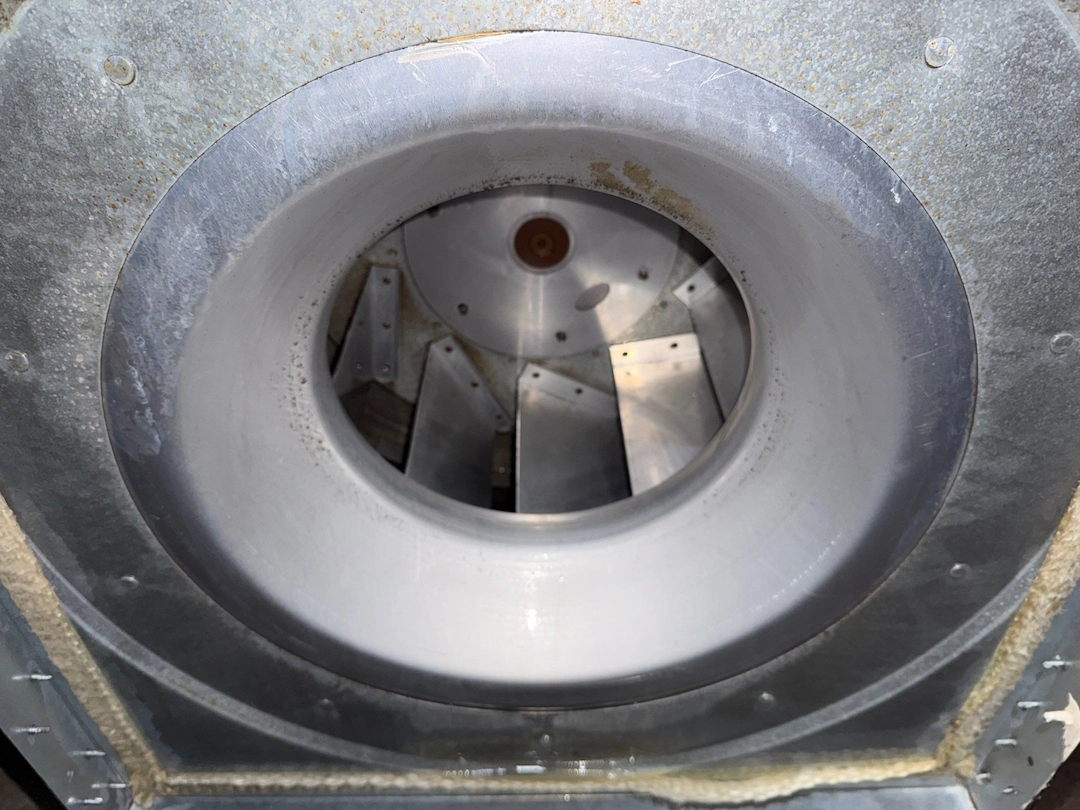
One practical tip: ask your hood cleaning contractor to provide a written report after each cleaning. It should note the condition of the duct, any areas of heavy grease buildup, and any damage or corrosion they found. That report becomes part of your fire code compliance documentation. If an inspector shows up, you have proof that the system was cleaned and that any issues were flagged. It also gives you a history. You can track whether grease buildup is getting worse over time, which might indicate a problem with the exhaust fan or the cooking equipment.
The Role of UL 300 and Modern Agents
Modern fire suppression systems use wet chemical agents that meet UL 300 standards. Those agents are specifically designed to extinguish grease fires by saponifying the grease, turning it into a soap-like foam that smothers the flame. But they work best on fresh fires, not on fires that have been burning long enough to heat the ductwork. That is another reason why keeping the duct clean is critical. If the grease in the duct ignites, the suppression system may not have enough agent to cover both the cooking surface and the duct. The fire can spread faster than the system can respond.
I have also seen kitchens where the hood suppression system was installed correctly but the grease filters were missing or damaged. That lets grease bypass the filter entirely and go straight into the duct. It means the exhaust fan has to work harder, the duct accumulates grease faster, and the suppression system has to cover more area. Replacing damaged filters is cheap. Rebuilding a duct system after a fire is not.
Practical Steps for Kitchen Managers
- Review your cleaning schedule against NFPA 96 guidelines for your cooking volume.
- Insist that your hood cleaning contractor documents the condition of the exhaust duct and fan after every cleaning.
- Coordinate the cleaning schedule with the fire suppression system inspection so both happen close together.
- Replace grease filters as soon as they show signs of damage or heavy loading.
- Train your staff to report any changes in hood performance, like excessive smoke or unusual heat, immediately.
These steps do not require a huge budget. They require attention and consistency. And they make the difference between a kitchen that passes inspection and one that relies on a fire suppression system to cover up a maintenance failure.

Final Thought on Fire Safety
Fire suppression systems are a critical piece of kitchen fire protection. They save lives and property every day. But they work best when the entire kitchen exhaust system is maintained to the bare metal standard. Grease buildup is the enemy, and the only way to defeat it is through regular, thorough hood cleaning that reaches every part of the ventilation system. If you are only checking the suppression system and ignoring the duct, you are missing half the battle. Keep both sides clean and inspected, and you give your kitchen the best chance of staying safe.